What an Age Verification System Must Do at Entry
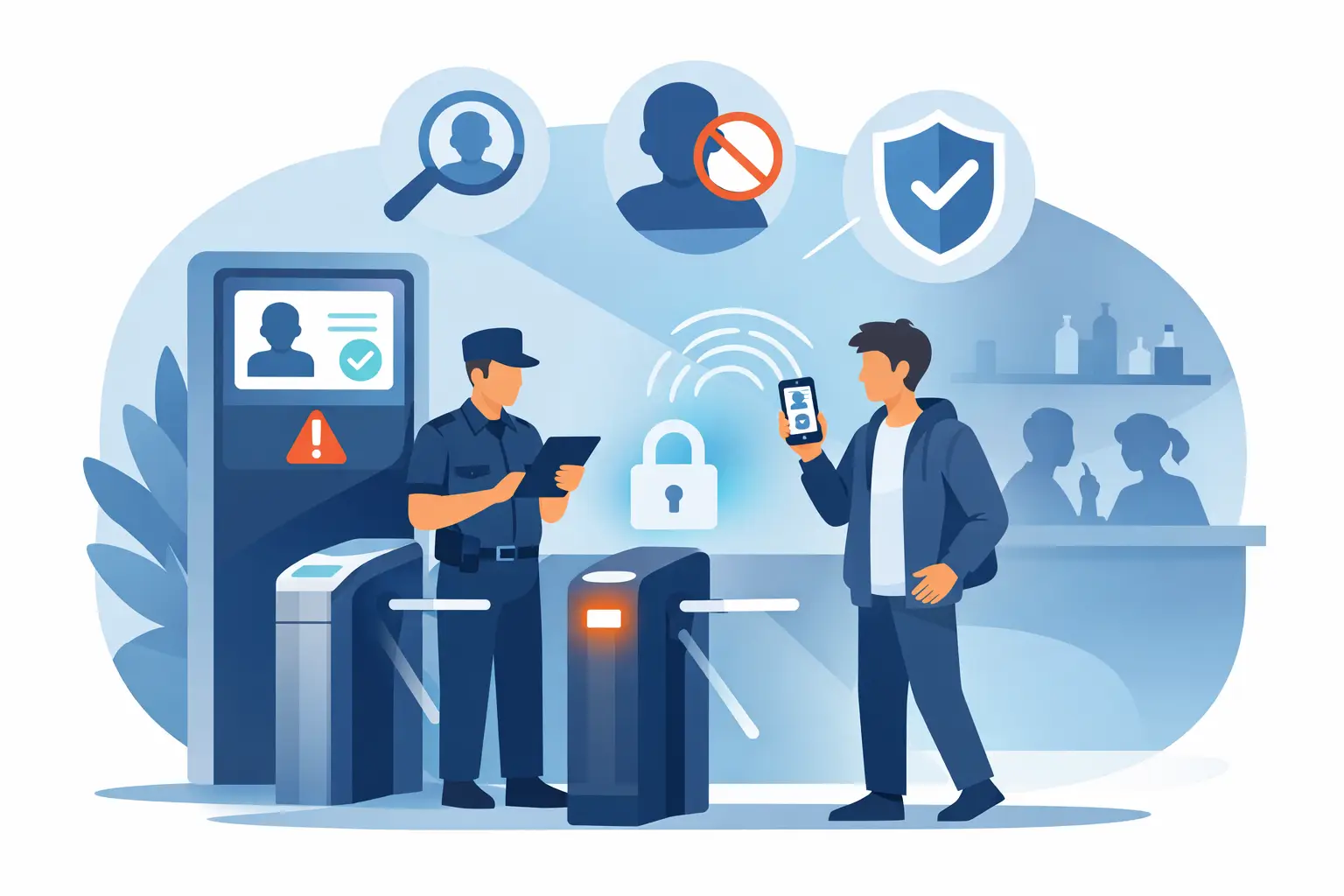
A busy door does not give staff time to study holograms, calculate birth dates, and debate whether a damaged license is legitimate. An age verification system gives operators a faster control point: scan the ID, confirm eligibility, identify warning signs, and make a defensible entry decision before a risk reaches the floor.
For bars, clubs, dispensaries, gun stores, car dealerships, and other ID-critical businesses, the goal is not simply collecting a date of birth. The right system protects licenses, staff, revenue, and reputation while keeping legitimate customers moving.
An age verification system is more than a birthday check
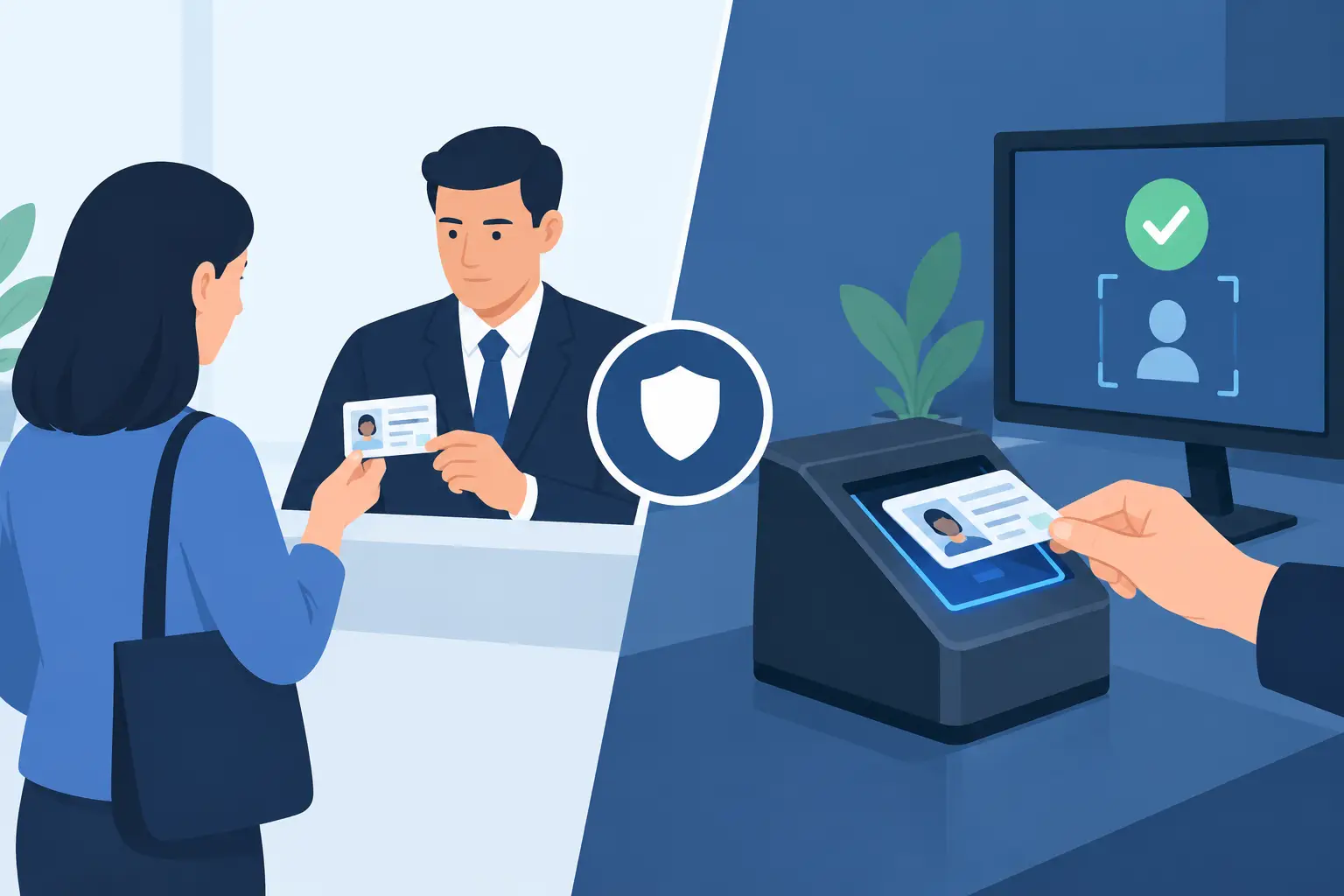
Basic visual inspection can catch an obvious fake, but it relies heavily on experience, lighting, and the employee's willingness to slow down a line. A modern scanning system reads the barcode or machine-readable data on a driver's license or passport and returns an immediate age result. That removes mental math and gives every employee the same eligibility standard.
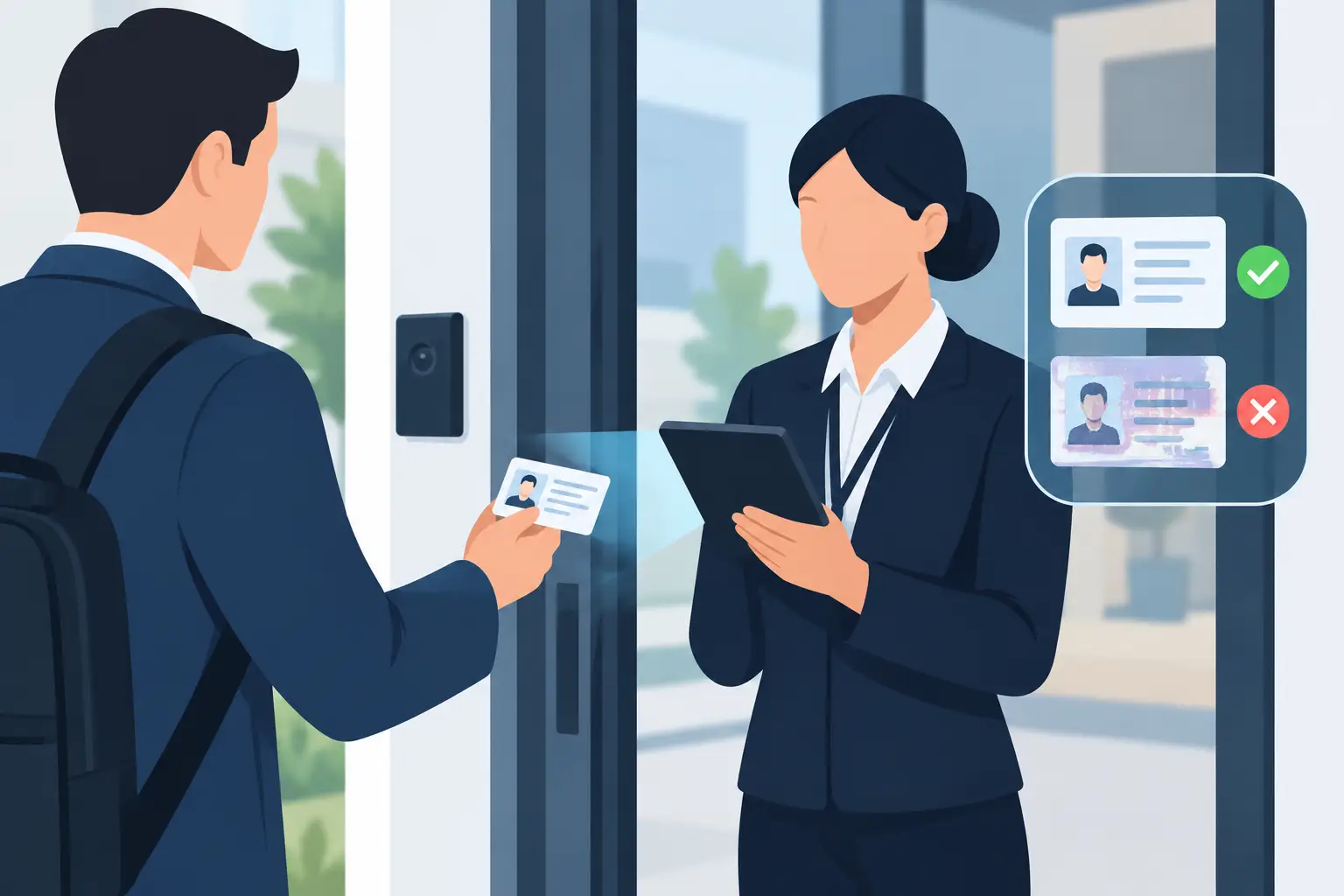
Age confirmation alone is not enough for many operations. A credible system should also evaluate whether the credential itself appears suspicious. Fake IDs are increasingly sophisticated, and an ID can contain a valid-looking date of birth while carrying mismatched data, altered elements, or signs of tampering.
That distinction matters when the consequence is an alcohol violation, a failed compliance inspection, a prohibited transaction, or an incident involving an improperly admitted patron. The scanner should support staff judgment with clear information, not force them to guess under pressure.
What the system should verify at the door
Fast age results are the first requirement. The device should identify whether a guest meets the venue's configured age threshold and present the result clearly enough to act on in seconds. For businesses serving different customer categories or operating under specific local rules, the ability to set the correct threshold matters as much as scan speed.
The second requirement is suspicious ID detection. Strong hardware analyzes more than barcode data. It evaluates security features and data consistency to help identify counterfeit, altered, expired, or otherwise questionable credentials. No scanner can replace trained staff or guarantee that every fraudulent ID will be stopped, but feature analysis creates a materially stronger process than a quick glance at a card.
Third, the system should record only what the operation actually needs. Some venues need a verification event to demonstrate responsible screening. Others need to identify banned patrons, recognize VIPs, or investigate a specific incident. Those workflows call for different data practices. A system that treats every scan as a full customer-recording event creates unnecessary privacy exposure.
Finally, the result must be useful to the person at the door. A confusing alert, a delayed screen, or a workflow that requires several taps will be bypassed during a rush. Door technology works only when it fits real door operations.
Offline operation is a security requirement
Internet-dependent verification creates a weak point that operators cannot afford. Connectivity can fail because of a router problem, an outage, poor building coverage, or a crowded event network. The door still needs to operate, and staff still need to make accurate decisions.
An offline-first age verification system keeps core scanning and verification available without an active connection. That is operational resilience, not a convenience feature. It allows a venue to maintain its entry standard during an outage instead of reverting to manual checks precisely when staff are least prepared to manage them.
Cloud services can still add value for organizations with multiple scanners or locations. They can synchronize patron lists, device activity, and operational intelligence where appropriate. The key is separating cloud convenience from core functionality. Operators should not lose the ability to verify an ID just because a subscription lapses or an internet connection drops.
Fraud detection must be practical, not theatrical
A long list of technical claims does not help the employee facing a line of customers. What matters is whether the device can inspect relevant ID indicators quickly and return a result that staff understand. If the system flags an ID, employees need a documented response: ask for another form of identification, escalate to a manager, or deny entry based on venue policy.
This process should be consistent but not automatic in every case. A damaged barcode may require a closer physical inspection. An alert may warrant a second ID rather than an immediate accusation. Staff should never be encouraged to confront a patron recklessly or represent a device alert as proof of criminal conduct.
The operational standard is simple: a questionable credential should trigger a controlled decision, not an argument at the door. Clear procedures protect employees and reduce uneven enforcement.
Patron management extends protection beyond one scan
The value of an ID scan does not always end when a guest enters. Venues may need to recognize known VIPs, identify a person who has been previously banned, or provide staff with an alert tied to documented venue policy. These controls can reduce repeat incidents and make entry decisions more consistent across shifts.
For multi-location operators, synchronized patron intelligence can be especially valuable. A banned-patron alert should not depend on whether a particular manager happens to be working or whether staff remembers a face from several months ago. At the same time, organizations should define who can add someone to a list, what supporting documentation is required, and how disputes or removals are handled.
Patron tools should reinforce fair, accountable operations. They should not become an uncontrolled database of subjective notes. Use categories that support a real safety or business purpose, limit access to authorized staff, and review records on a defined schedule.
Privacy controls belong in the buying decision
Businesses handling government-issued IDs take on a serious data responsibility. The safest approach is data minimization: collect and retain only what supports the intended workflow. If a venue only needs to know whether a guest is of age, verification-only mode can confirm the result without storing unnecessary personal information.
Where retention is required for an operational or compliance purpose, policies should be configurable and understandable. Operators should be able to set retention periods, control access, and remove data when it is no longer needed. Encryption also matters. Data stored on devices or synchronized through the cloud should be protected with recognized controls such as AES-256 encryption.
Privacy and security are not competing priorities. A well-designed process can verify age aggressively while limiting unnecessary collection. That gives responsible operators a stronger answer when customers, regulators, or internal stakeholders ask how ID information is handled.
Choose hardware for the way your door actually works
The best device format depends on volume and workflow. A small independent business may need a portable scanner that can be picked up, charged, and used immediately at a single entry point. A high-volume nightclub may need multiple portable devices so security staff can process separate lines, patios, or special-event entrances without creating a bottleneck.
Before buying, test the practical questions. Can the scanner read driver's licenses and passports quickly? Is the screen visible in low light? How long does the battery last during a full shift? Can a new employee learn the workflow without extensive training? Does the device continue to verify IDs offline? And does the pricing require an ongoing software commitment for capabilities that should be standard?
Direct-purchase hardware is often the clearest fit for operators who want predictable costs. Optional cloud synchronization can then be added when centralized management delivers a real operational benefit, rather than being forced into every deployment.
Build the process around the technology
A scanner is only as reliable as the process around it. Assign who scans, define when a second ID is required, and train staff on what each alert means. Managers should review exceptions, suspicious-ID events, and patron-list activity regularly, especially after high-volume nights or incidents.
It is also wise to document the venue's policy for expired IDs, damaged credentials, foreign passports, and guests who refuse to present identification. The correct policy depends on the business, location, and applicable law. Technology can provide speed and evidence, but operators remain responsible for setting lawful procedures and training staff to follow them.
Kred provides portable ID-scanning hardware designed for these conditions, with instant age verification, suspicious ID detection, offline core operation, and optional cloud synchronization. The practical advantage is control: operators can run essential verification without a mandatory subscription while choosing the data and patron-management tools their operation needs.
A strong entry process should feel routine to legitimate customers and difficult for bad credentials to defeat. Put the right age verification system in the hands of trained staff, keep it operating when connectivity fails, and make every scan support a safer business decision.