ID Validation Versus Document Authentication
A card can scan successfully and still create risk at the door. It may contain a valid date of birth but be expired, altered, issued to someone else, or copied from a real credential. That is the operational difference behind ID validation versus document authentication. One confirms that the information on an ID can be read and applied to a policy. The other asks whether the physical or digital credential itself appears genuine.
For bars, nightclubs, dispensaries, gun shops, and other identity-critical businesses, treating those checks as interchangeable leaves a gap. A fast line matters. So do licensing, liability, fraud exposure, and the safety of everyone inside.
What ID Validation Checks
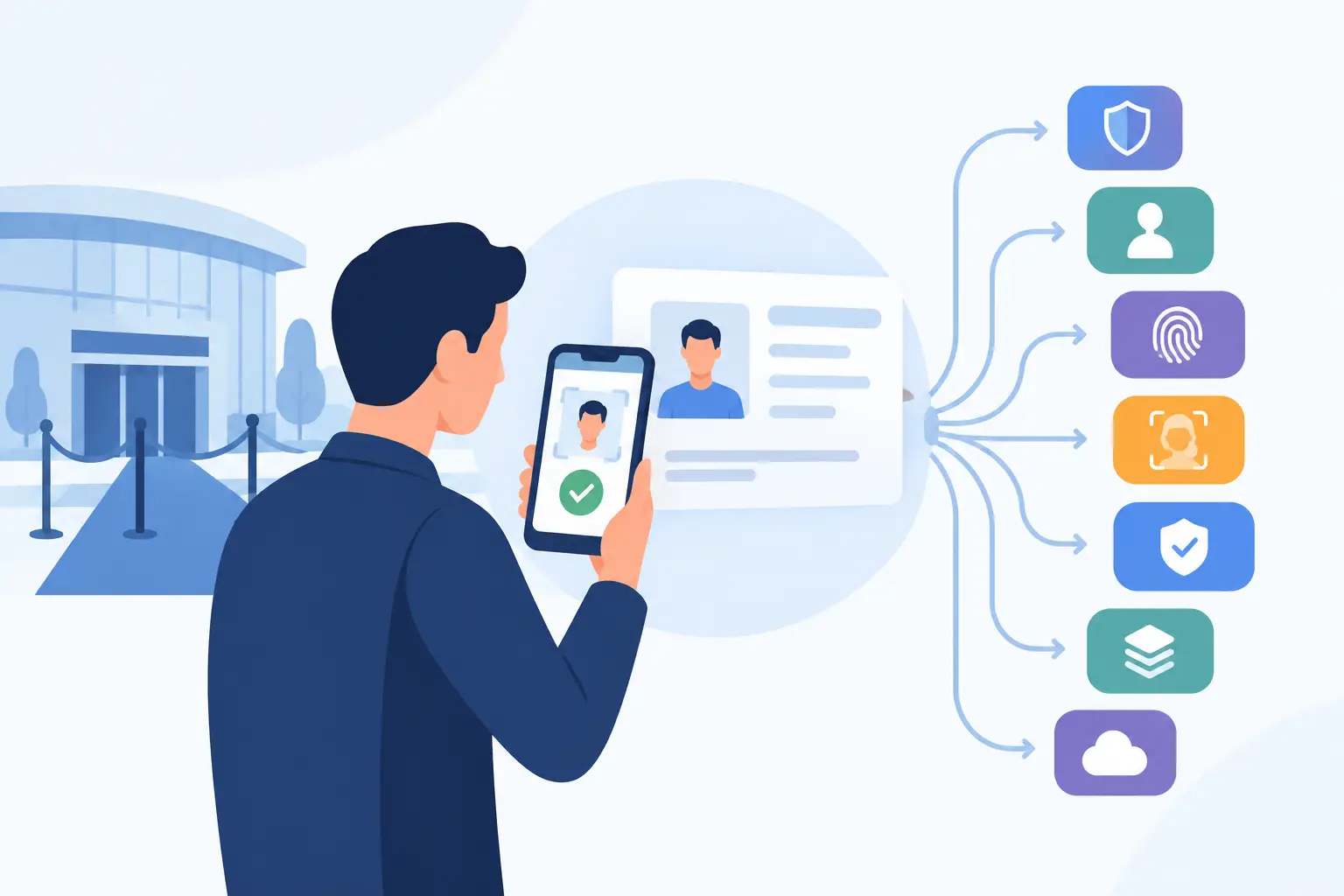
ID validation evaluates the data presented by an identification document. In a venue setting, the most common function is instant age verification: scan a driver's license or passport, read the encoded date of birth, and determine whether the person meets the required age threshold.
Validation can also flag common operational issues, such as an expired ID, an ID that is not yet valid, or a document type the system cannot support. Depending on the workflow, it may capture a name, photo, address, ID number, and other fields for a permitted business purpose. At its simplest, validation answers a practical question: based on the information encoded on this ID, should this person be allowed to proceed?
That is useful, but it is not the same as proving the document is authentic. A barcode can be readable even when a card has been altered. A fake can contain a plausible name, a valid-looking date of birth, and formatting designed to pass a quick visual inspection. A scan that returns “of age” should not be mistaken for a complete fraud decision.
What Document Authentication Checks
Document authentication examines whether an ID appears to be a legitimate credential produced by the issuing authority and presented without obvious manipulation. It goes beyond reading fields. The process evaluates security features and the relationship between information printed on the card, encoded in its barcode or chip, and expected document design.
A purpose-built ID scanner may analyze features such as barcode structure, data consistency, document format, issuing jurisdiction rules, font and layout characteristics, expiration logic, and signs of tampering. Kred scanners analyze more than 60 security indicators to identify suspicious or fake IDs while also performing age verification.
Authentication is especially valuable when staff face sophisticated fake IDs rather than poorly made novelty cards. Many modern counterfeits are designed to scan. Their creators know that a venue may rely only on a barcode result. The stronger question is not merely whether the scan produced data, but whether the document's data and security profile make sense together.
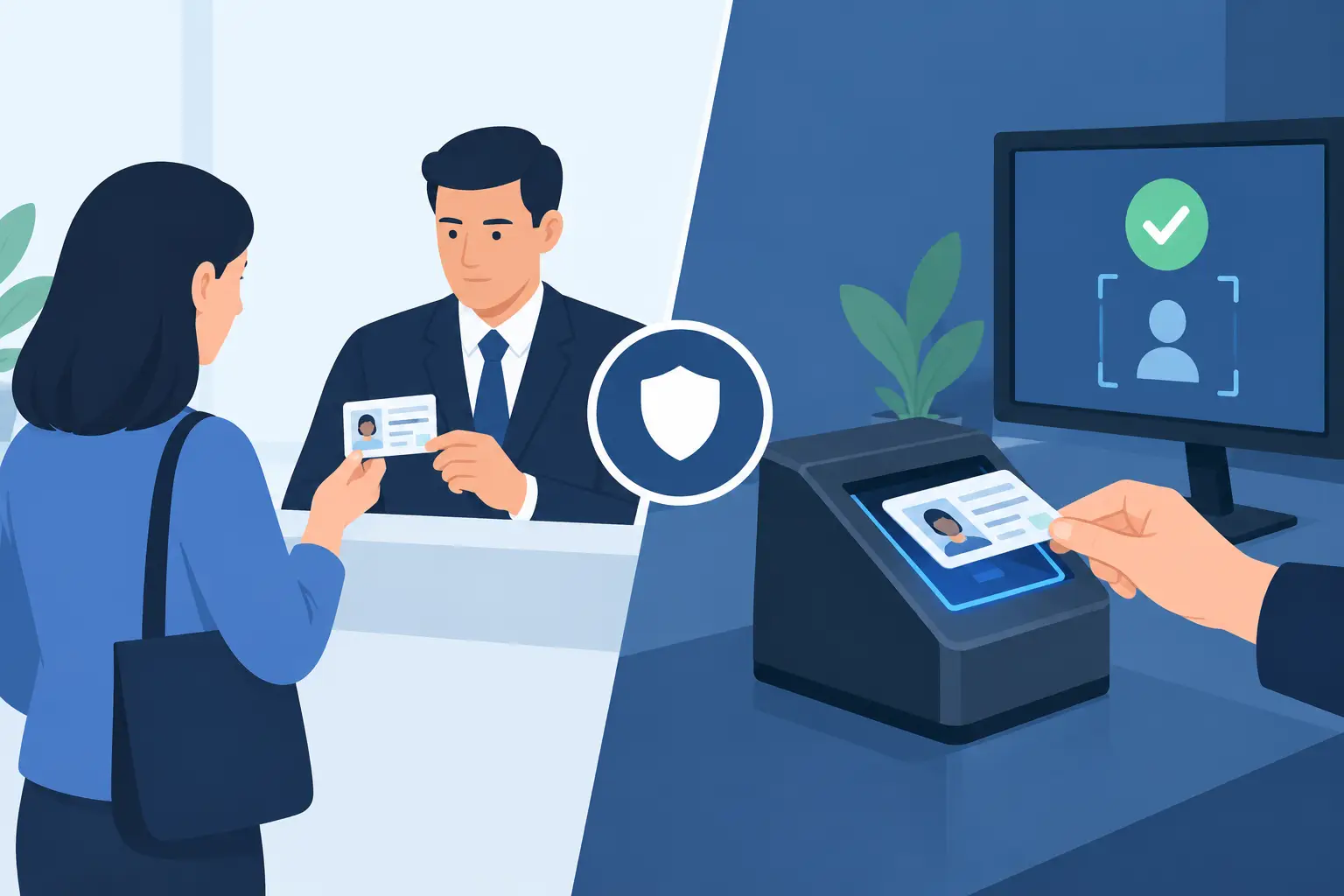
Authentication also has limits. It does not automatically establish that the person holding a genuine ID is the person pictured on it. Door staff still need to compare the patron to the photo, assess obvious behavior or appearance mismatches, and follow venue policy when an ID is flagged or a situation feels wrong. Technology improves the decision. It does not remove the need for trained judgment.
ID Validation Versus Document Authentication at the Door
The distinction is easiest to see in common entry scenarios.
A 19-year-old presents a real, unaltered driver's license. ID validation reads the birth date and correctly shows that the patron is under 21. Document authentication may also confirm that the card appears genuine, but the access decision is driven by validation.
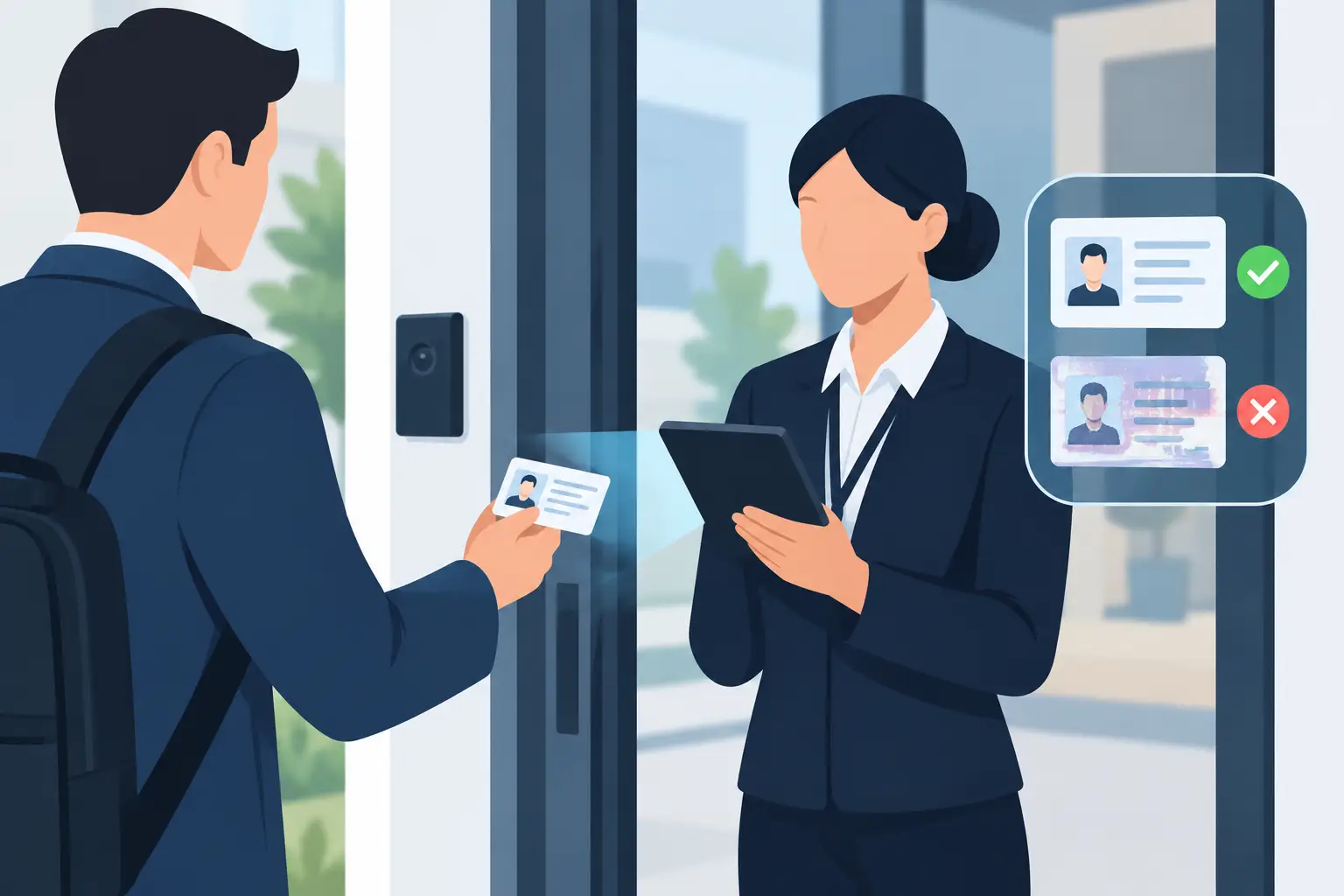
A patron presents an altered real ID with a changed date of birth. Basic validation may read the altered information and return an age result that appears acceptable. Authentication is the layer more likely to identify mismatched data, abnormal document characteristics, or other indicators that the card has been manipulated.
A 26-year-old uses a genuine sibling's ID. Both validation and authentication can return a clean result because the document may be real and the age may be legal. The remaining control is identity comparison by staff. This is why a security process needs document checks and a clear door procedure, not just a device.
A counterfeit card may have a barcode that decodes correctly but conflicts with the expected formatting, encoded data, or security profile for that jurisdiction. Validation alone can treat the result as usable data. Authentication provides the deeper fraud screen.
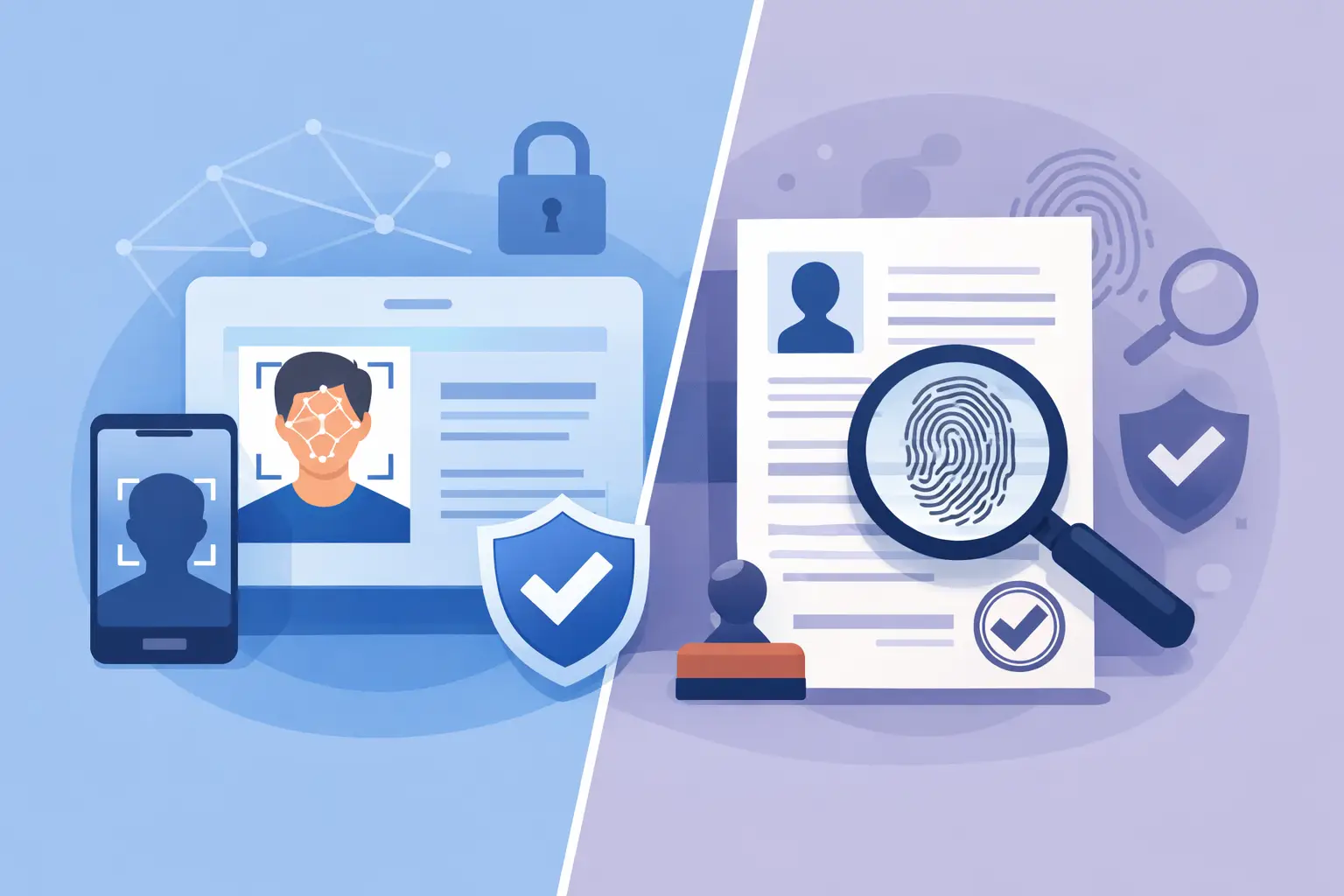
The practical lesson is straightforward: validation determines eligibility from ID data; authentication assesses whether the document can be trusted. For regulated access, both matter.
Build a Layered Entry Process
High-volume venues need controls that work at speed. The goal is not to turn every admission into an investigation. It is to make routine checks fast and route exceptions to staff attention before they become a compliance problem.
Start with a scan that verifies age and checks the document for suspicious characteristics. A clear result lets staff move the line. A warning creates a reason to pause, inspect the physical card, compare the photo to the patron, and apply the venue's escalation policy. That may mean requesting a second form of ID, involving a manager, or refusing entry.
Staff should understand what each result means. “Valid age” is not the same as “authentic document.” “Suspicious” is not necessarily a final accusation. It is a prompt for a closer review. This distinction protects staff from overconfidence and helps them handle patrons consistently.
Your policy should also define how to treat expired IDs, out-of-state documents, passports, temporary credentials, damaged cards, and scan failures. A scanner is most effective when the team knows what to do next without improvising at the door.
For venues managing repeat incidents, patron management can add another layer. Banned-patron alerts help prevent a known problem patron from entering through a different staff member or shift. VIP recognition can support service without weakening screening standards. These tools address operational risk after the document check, not instead of it.
Connectivity and Privacy Are Part of the Decision
Authentication and validation are only useful when the system is available during business hours. A cloud-only workflow can become a weak point if an internet outage prevents staff from checking IDs during a rush. Offline-first scanning keeps core verification and suspicious ID detection available without a connection, which matters when the line is long and the stakes are high.
Cloud synchronization serves a different purpose. Multi-location operators may want devices and sites to share banned-patron alerts, VIP records, or approved retention data. That can be valuable, but it should be optional rather than a requirement for basic screening. Businesses should be able to buy the hardware they need and continue verifying IDs without mandatory recurring software costs.
Privacy controls deserve the same operational discipline. Not every business needs to retain a full record of every person's ID. Verification-only mode can confirm eligibility without storing unnecessary personal information. Where retention is justified, configurable retention periods, role-based access, and encryption help limit exposure. Data minimization is not just a policy phrase. It reduces the amount of sensitive information a business must protect if there is an incident or records request.
Choose the Right Standard for Your Risk
A low-risk setting may only need a quick age check for a limited use case. A nightclub facing fake IDs, underage-entry exposure, crowded weekends, and repeat security issues needs more. The appropriate setup depends on your regulatory obligations, customer volume, staff training, document mix, and tolerance for fraud loss.
For most age-restricted venues, the stronger operational standard is clear: validate the age and eligibility data, authenticate the document for signs of fraud, then have staff confirm that the person matches the ID. No scanner can guarantee that every bad credential or impersonator will be caught, and no technology replaces responsible policies. But relying on a birth-date result alone leaves an avoidable gap.
The right system gives your team fast answers when the answer is clear and better evidence when it is not. At the door, that extra layer can be the difference between admitting a customer and admitting a problem.